Full mouth implant terms, in plain English
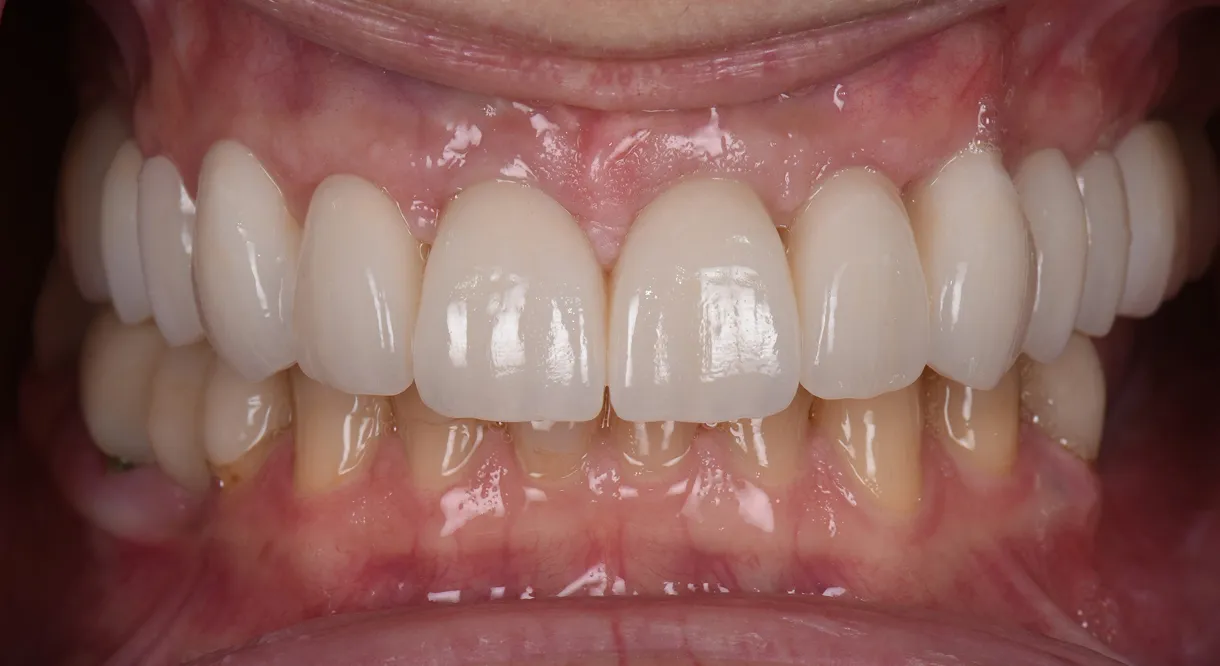
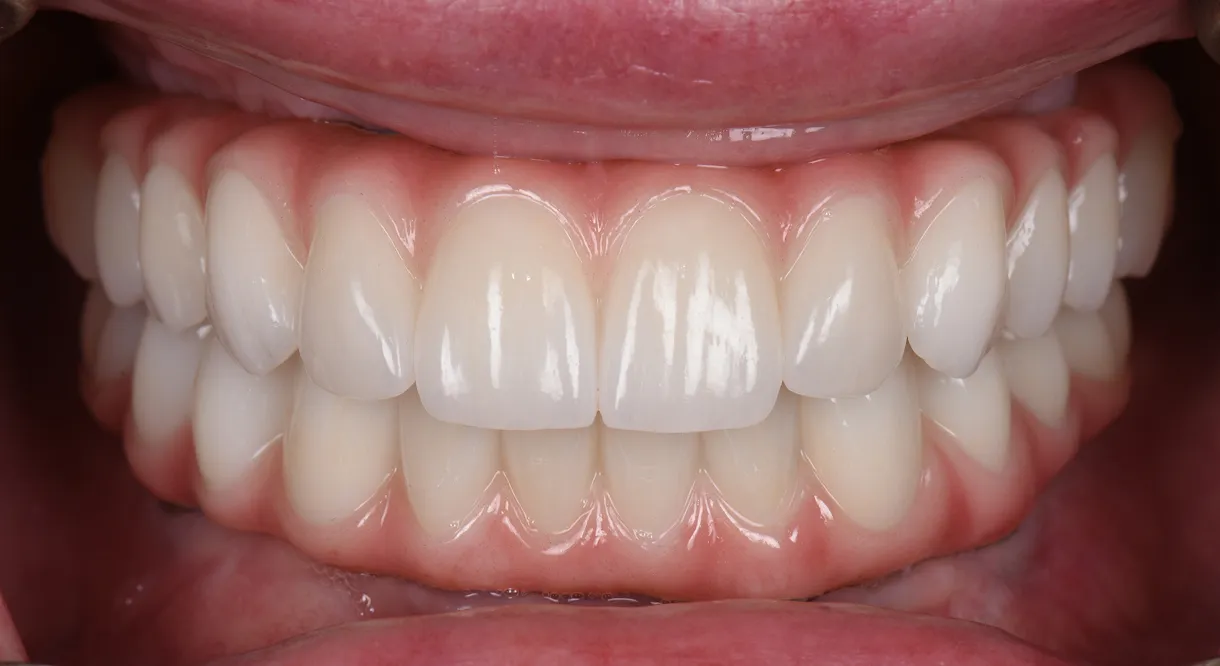
When you start researching full mouth implants, you'll see the terms FP1, FP2 and FP3. Dentists use them to describe what a fixed bridge replaces. Here's what they mean for you.
Why it matters: with FP3, some bone and gum is usually reshaped so the join between the bridge and your gum sits out of sight, behind your lip, and the bridge is fuller for strength, aesthetics and lip support. With FP1, more of your own bone and gum is kept where it can be, and the bridge can be slimmer, which many people find easier for speaking and eating.
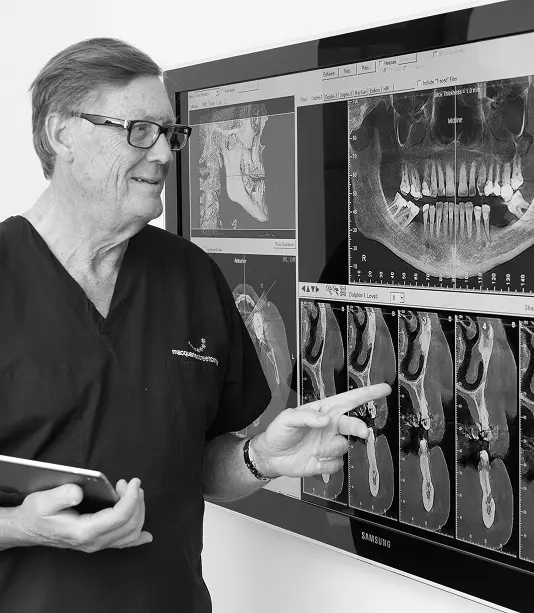
Which one suits you depends on how much bone and gum you have. Dr Dunn assesses this with a 3D scan at your free consultation.


.webp)

WHAT IT MEANS FOR YOU

WHAT IT MEANS FOR YOU


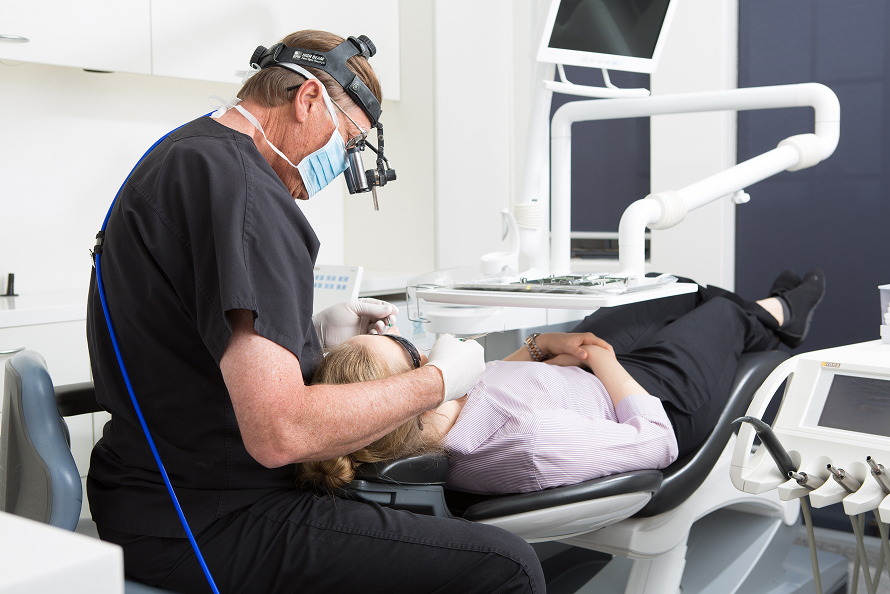
All-on-4 is ideally performed under IV sedation, a relaxed, sleep-like state, and many patients have little or no memory of the procedure. A medical doctor monitors your sedation. Some discomfort afterwards is common, and individual experiences vary. If you feel anxious about treatment, tell us, and we'll work out together how to make it more comfortable.
Implants are placed in one surgical appointment. For suitable patients, fixed temporary teeth follow the same day or the next day. Your final bridge is fitted approximately 6 months later, once your bone, gum and implants have fully healed.
All-on-4 is designed so the denture-wearing stage is largely bypassed. Fixed temporary teeth depend on your implants being stable when they're placed, and that depends on your bone quality. Occasionally, usually with softer bone in the upper jaw, the implants are left to heal first before your teeth are fitted, for a more predictable outcome. This is rare, but worth knowing upfront.
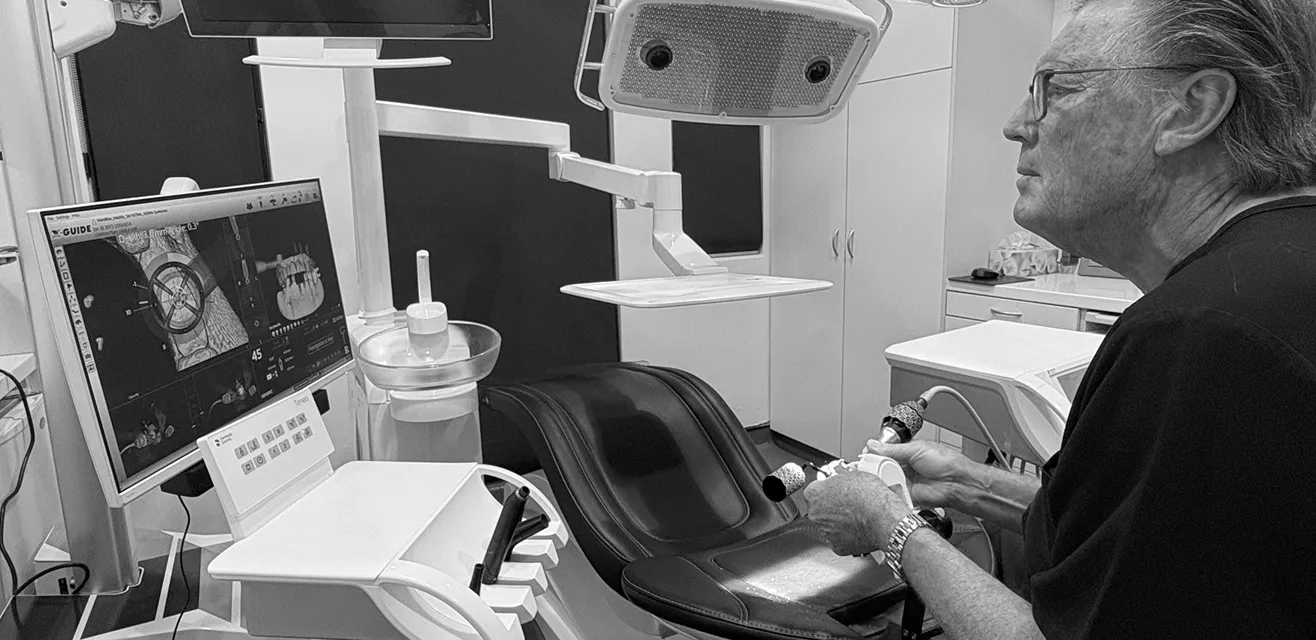
Choosing a clinic is a big decision, so it's worth asking every clinic the same questions: who plans and places your implants, what experience they have, what's included, and who looks after you afterwards. At Macquarie Street Dental, Dr David Dunn plans and places your implants. He has over 30 years of experience and a special interest in dental implant treatment. We offer both All-on-4 Next Gen and Classic All-on-4, so you get a recommendation based on what is most suitable for your individual situation, not an off-the-shelf, one-size-fits-all approach. Implants are placed with X-Guide® navigation, your temporary teeth are made in our onsite lab, and your follow-up care is here in Sydney. If you're comparing clinics, our guide to All-on-4 reviews explains what to look for.
If you're living with loose, uncomfortable dentures, you're welcome to come in. All-on-4 is a fixed alternative to removable dentures. You can also compare All-on-4 vs dentures, or read about implant-supported dentures. Wearing dentures over time can mean bone loss, so suitability is assessed at your consultation.
They describe what a fixed full-arch bridge replaces. FP1 replaces the teeth only, so they come out of your own gum. FP2 replaces the teeth with some extra length, where the gum has shrunk back. FP3 replaces teeth and gum, with a pink gum-coloured section, for people who have lost more bone. All-on-4 Next Gen is FP1-style; Classic All-on-4 is usually FP3. Which suits you depends on your bone and gum.
The key difference is how much is kept rather than replaced. Classic All-on-4 replaces both teeth and gum, which means a fuller bridge and a join that sits behind your lip. Next Gen aims to replace only the teeth, keeping more of your natural gum and bone where your anatomy allows. That means a slimmer bridge and teeth that come out of your own gum. If Next Gen isn't right for you, Classic All-on-4 is planned with the same 3D technology.
Both All-on-4 Next Gen and Classic All-on-4 final bridges use the ICE® zirconia system by Zirkonzahn: high-strength white zirconia over a zirconia framework. With no titanium framework, the bridge can be thinner while staying strong, and it's custom-contoured to your gumline. Read more about the All-on-4 bridge.
Your cost depends on the option that suits you, one arch or both, the bridge material and any additional procedures. Our free All-on-4 Price Guide sets out what's included and what may affect your total, and you'll receive a written treatment plan and cost breakdown after your consultation. We encourage you to ask detailed questions, so your decision is a fully informed one.
Macquarie Street Dental offers an exclusive All-on-4 payment plan through SmileFund: up to $70,000 with 24 months interest-free, zero fees and no early payout penalties. Eligibility is assessed by SmileFund. T&Cs apply.
Cheaper overseas options can look attractive, so it's worth weighing up what comes with them: adjustments and any complications are handled far from home, and returning for maintenance can be difficult. At Macquarie Street Dental, your treatment, onsite lab and follow-up care are all here in Sydney. Compare All-on-4 cost in Sydney and Thailand, or read what to check before choosing the cheapest All-on-4 in Australia.
Age alone is rarely a barrier. What matters most is your overall health and bone quality, and suitability is assessed at your consultation. Dental implants are for adults 18 and over, once jaw growth is complete.
Significant bone loss doesn't always rule out All-on-4. Classic All-on-4 can suit people who have lost more bone, because the bridge replaces lost gum and bone height. Where there isn't enough upper jaw bone, a small number of people need zygomatic implants. If they're right for you, Dr Dunn collaborates with an oral and maxillofacial surgeon on your case.
If you are exploring early access to your superannuation with your GP, please note that Macquarie Street Dental cannot provide advice about the use of your super. Our role is to assess your dental situation and, on request, provide your GP with our clinical assessment. Eligibility is determined by the Australian Taxation Office, approval is not guaranteed, and fees may apply when using a release service. We recommend seeking independent financial advice. Read more about using your super for dental implants.
As with any surgery, there are risks, including implant failure, infection, nerve damage, bridge fractures, and complications related to health conditions or medications. Following your aftercare instructions helps reduce them, and your own risks are discussed at consultation. Read more about All-on-4 risks and success rates.
Good home care and regular reviews are key. Brush teeth and gums twice a day, clean under the bridge where you can, use a water flosser for hard-to-reach areas, and attend check-ups every six months, or as advised. See our guide to cleaning All-on-4 implants.